
Mortgage bond plan and why it matters now
The mortgage bond plan outlined this week has quickly become one of the most discussed housing policy developments in years. Within the first hours of the announcement, markets reacted and consumers started asking the same question: could this actually lower mortgage rates?
According to reporting by CNBC, President Donald Trump has instructed federal housing leadership to pursue large-scale purchases of mortgage-backed securities. These purchases would be executed through Fannie Mae and Freddie Mac, the two government-sponsored enterprises that underpin much of the U.S. mortgage system.
For buyers, sellers, and investors, this is not political theater. It is a structural signal that could shape borrowing costs, demand cycles, and pricing power in 2026 and beyond.
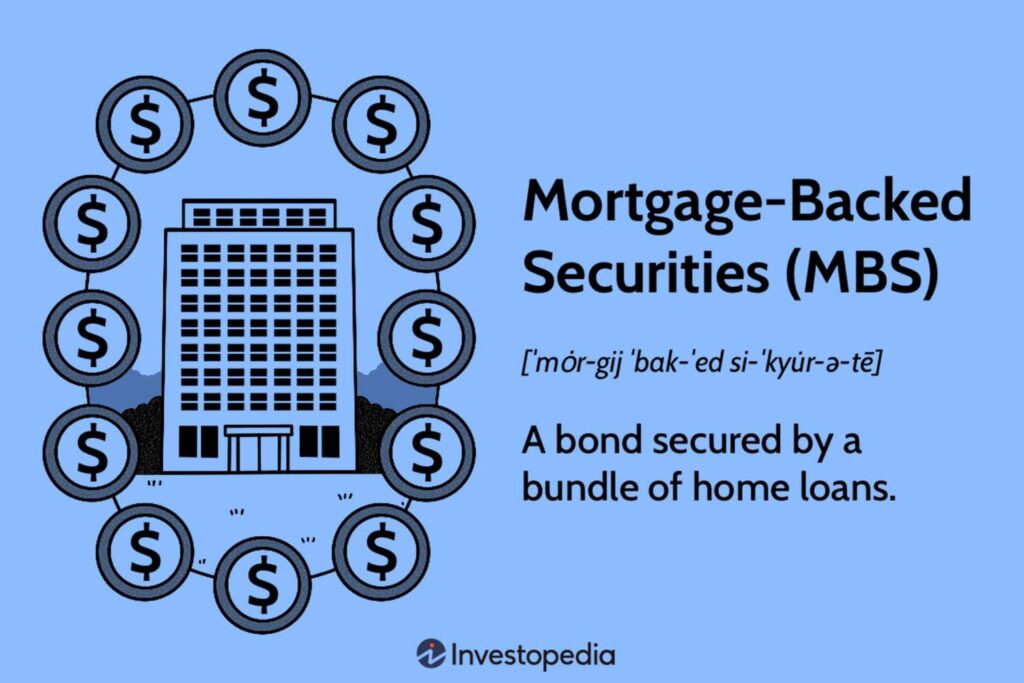
What is the mortgage bond plan in simple terms
The mortgage bond plan centers on increasing demand for mortgage-backed securities. When institutions buy these bonds in large volumes, yields tend to fall. Because mortgage rates are closely tied to those yields, lower yields can translate into lower mortgage rates.
This approach is not new. Similar strategies were used during prior economic slowdowns to stabilize housing markets. What makes this moment different is timing. Housing affordability remains stretched, inventory is constrained, and buyers are extremely rate-sensitive.
How the mortgage bond plan could affect mortgage rates
A key misconception is that this plan guarantees dramatically lower rates. It does not. However, it may apply downward pressure at the margin.
Mortgage rates respond to several forces:
- Treasury yields
- Inflation expectations
- Federal Reserve policy
- Demand for mortgage-backed securities
The mortgage bond plan directly targets only one of these variables. That means the impact is likely incremental rather than transformational. Even so, incremental shifts matter. A reduction of even a quarter of a percentage point can materially change monthly payments on high-value homes.
Why buyers should pay attention now
For buyers, especially in luxury and new construction segments, timing matters more than headlines. If bond purchases move forward, buyer confidence could return before rates visibly decline.
This often creates a short window where competition increases ahead of clear pricing signals. Sophisticated buyers watch policy moves early, not after they are fully priced into the market.

What sellers should understand about demand
Sellers often underestimate how sensitive buyer psychology is to rate direction. The mortgage bond plan sends a message that housing is a priority. That alone can unlock sidelined demand.
In higher price points, demand is less about affordability and more about confidence. When buyers believe conditions are improving, they act faster and negotiate less aggressively.
Strategic considerations for the luxury market
Luxury real estate does not move in lockstep with entry-level housing. Wealth-driven buyers are more responsive to market momentum and less reactive to short-term rate changes.
If the mortgage bond plan stabilizes rates or signals future easing, luxury markets may see improved absorption even without dramatic rate cuts. This is especially relevant for new developments and high-end resales that rely on confident, decisive buyers.
Internal and external context
For deeper context on how mortgage-backed securities function, CNBC provides a detailed overview that adds important credibility to the discussion:
https://www.cnbc.com/2026/01/08/trump-mortgage-bonds-rates-fannie-freddie.html

FAQs
What is the mortgage bond plan?
The mortgage bond plan is a proposal to purchase large amounts of mortgage-backed securities through Fannie Mae and Freddie Mac to help lower mortgage rates. The goal is to increase demand for these bonds, which can reduce yields and indirectly ease borrowing costs for homebuyers.
How does the mortgage bond plan affect mortgage rates?
The mortgage bond plan affects mortgage rates by increasing demand for mortgage-backed securities. Higher demand can lower bond yields, and because mortgage rates track those yields, rates may decline modestly if the program is implemented.
Is the mortgage bond plan guaranteed to lower rates?
No, the mortgage bond plan does not guarantee lower rates. Mortgage rates are influenced by inflation, Treasury markets, and Federal Reserve policy. The plan may contribute incremental downward pressure rather than dramatic changes.
What should buyers do in response to the mortgage bond plan?
Buyers should monitor rate trends and market sentiment rather than wait for headlines. The mortgage bond plan may increase competition before rates visibly change, making preparation and timing especially important.
Does the mortgage bond plan matter for luxury real estate?
Yes. In luxury markets, confidence matters as much as rates. The mortgage bond plan can signal improving conditions, which may encourage high-end buyers to move forward even without major rate declines.